


Okay, so here’s the thing: Microsoft is pulling the plug, sort of, on the free upgrade path from Windows 10 to Windows 11 . Now, before you panic and start hoarding old laptops, let’s break down why this matters, especially if you’re in India and still rocking Windows 10.
See, the official support for Windows 10 ends in October 2025. That might seem like ages away, but in the tech world, it’s practically tomorrow. And what fascinates me is how Microsoft is handling the transition, especially since so many people skipped Windows 8 (remember that?) and stuck with Windows 7 for ages.
Why the Upgrade Block Matters (More Than You Think)
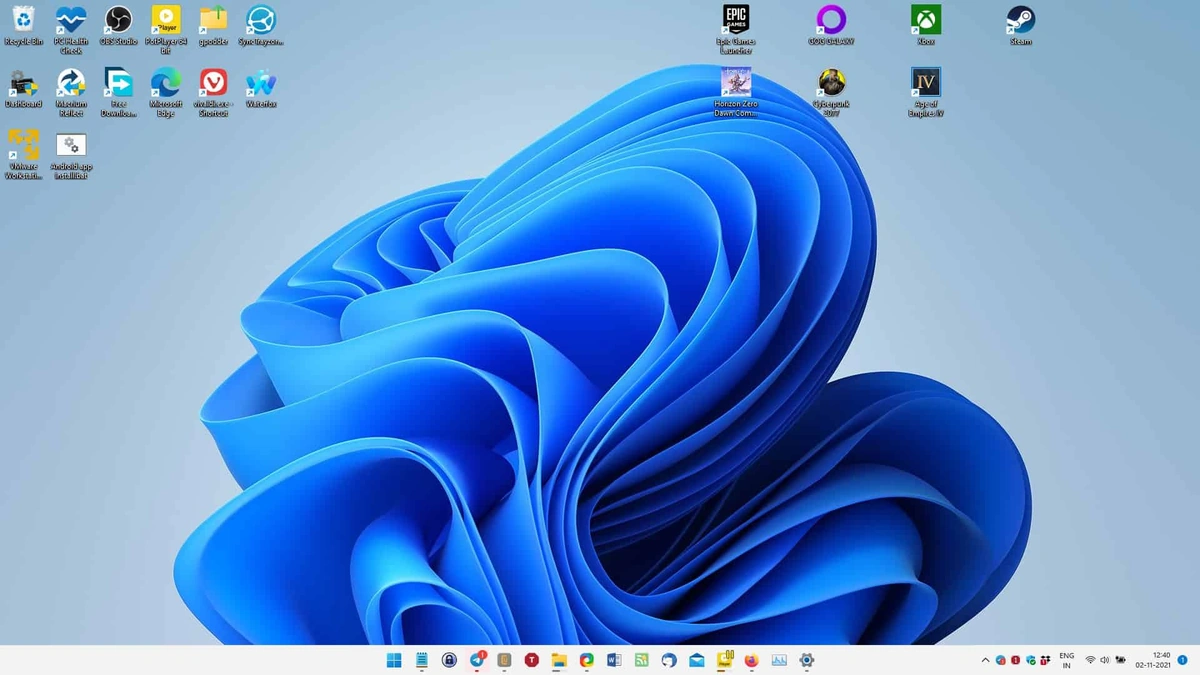
Let’s be honest, upgrading operating systems can be a pain. But here’s why this particular shift is crucial. Security updates. Windows updates , especially security patches, are your digital armor against all sorts of nasty threats lurking online. Once support ends, your Windows 10 machine becomes a sitting duck. Think of it like driving a car without insurance – it might be fine, but the risk is definitely there. And in a country like India, where cyber threats are on the rise, that risk is even greater. The latest gadgets might be tempting, but security comes first.
But wait, there’s more. Application compatibility. As time goes on, software developers will increasingly focus on Windows 11 . New features, performance optimizations, and even basic compatibility might be missing on older systems. Imagine trying to run the latest version of your favorite video editing software on a machine that’s, well, technically obsolete. Not fun.
How to Navigate This Windows 11 Transition
Alright, so what can you do about it? Here’s the guide angle. First, assess your current hardware. Windows 11 system requirements are stricter than Windows 10. You’ll need a relatively modern processor, enough RAM, and a TPM 2.0 chip. Now, I know what you’re thinking: “TPM 2.0? What’s that?” It’s a security module, and without it, Windows 11 won’t even install. Go to your system information (search for “msinfo32” in the Windows search bar) to check your specs. Microsoft also offers a PC Health Check app you can download .
Assuming your hardware is compatible, back up your data. Seriously, do it now. Upgrading can go smoothly, but sometimes things go wrong. Imagine losing all your photos, documents, and that half-finished novel. Not a good look. Use an external hard drive or a cloud storage service. Then, you can upgrade. Although the free upgrade path is officially disabled, some users are still reporting success using the Media Creation Tool. But, and this is a big but, proceed with caution.
The Emotional Side | Why Upgrades Trigger Anxiety
That moment of panic when you click “Upgrade” and wonder if everything is about to break. We’ve all been there. Upgrading an OS is never just a technical process; it’s an emotional one. There’s the fear of the unknown, the potential for data loss, and the general disruption to your workflow. Let me rephrase that for clarity: It feels like brain surgery for your computer. The best approach is to manage your expectations. It might take time. There might be hiccups. But with a little planning and patience, you can get through it. What fascinates me is that the mobile phone world has become so accustomed to upgrades, while the PC space is much more cautious.
Troubleshooting Common Upgrade Issues
A common mistake I see people make is not checking for driver updates after the upgrade. Your graphics card, sound card, and other peripherals might not work properly with the default drivers. Go to the manufacturer’s website and download the latest versions. Another issue is activation. Sometimes, Windows 11 might not activate automatically after the upgrade. Make sure you have your Windows 10 product key handy (you can usually find it linked to your Microsoft account). According to some users, a clean install sometimes fixes the most persistent upgrade problems, but I wouldn’t recommend it unless you’re comfortable with a full reformat.
What Does This Mean for the Future of Windows?
Microsoft is clearly pushing everyone towards Windows 11 . The end of the free upgrade path is just another step in that direction. What fascinates me is how this will affect adoption rates, particularly in price-sensitive markets like India. Will people finally bite the bullet and upgrade, or will they stick with Windows 10 until the bitter end, security risks be damned? It’s a gamble for Microsoft, but they seem to be betting that the benefits of Windows 11 – improved security, better performance, and access to the latest features – will eventually outweigh the cost and hassle of upgrading.
So, yeah, Microsoft disabling the free upgrade is a bit of a bummer. But it’s also a gentle nudge to think about the future of your computing. It’s like a friend reminding you that while your old car is reliable, it’s probably time to consider something newer and safer.
FAQ About the Windows 10 to Windows 11 Transition
Will my Windows 10 still work after October 2025?
Yes, it will still work, but it won’t receive security updates, making it vulnerable.
Is there still any way to upgrade to Windows 11 for free?
Officially, no. But some users have reported success using the Media Creation Tool. Proceed with caution.
What happens if my computer doesn’t meet the Windows 11 requirements?
You’ll need to either upgrade your hardware or stick with Windows 10 (at your own risk) until you get a new machine.
Can I do a clean install of Windows 11 if I have a Windows 10 key?
In most cases, yes. Your Windows 10 key should activate Windows 11, as long as it’s the same edition (Home or Pro).
Where can I find reliable information about Windows 11 compatibility?
The official Microsoft website is the best source. Also, reputable tech sites often publish compatibility guides.
Is Windows 11 really that much better than Windows 10?
It depends on your needs. Windows 11 features a redesigned interface, improved security, and some performance enhancements. Whether those are worth the upgrade is a personal decision.